Scouts BSA
Youth 11-18 Years of Age
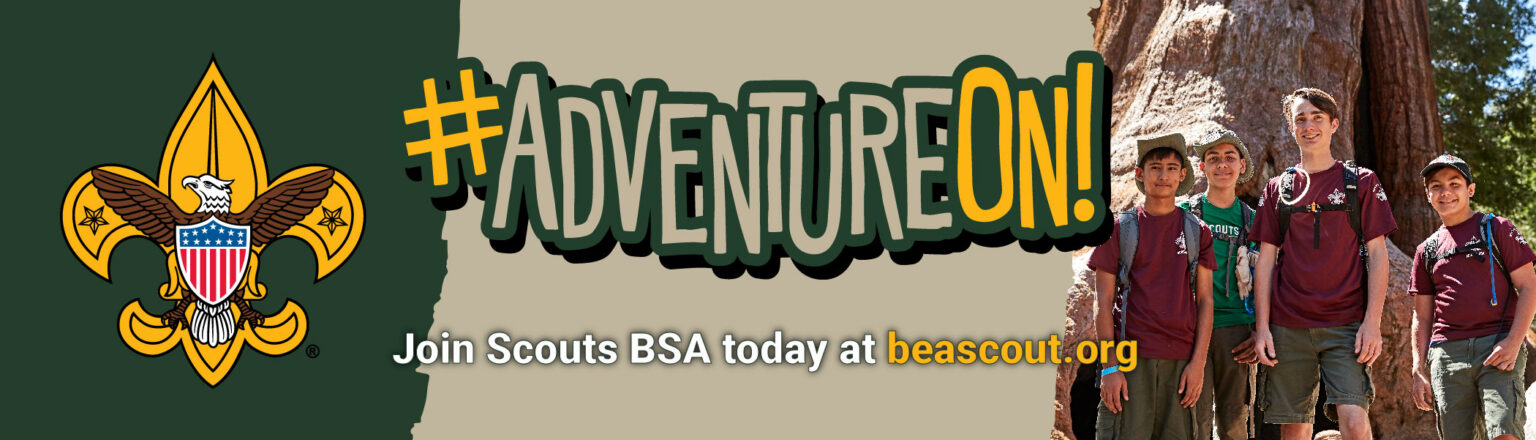
This is the traditional Scouting experience for youth age 11 through 17. Service, community engagement, and leadership development become increasingly important parts of the program as youth lead their own activities working their way towards earning Scouting’s highest rank, Eagle Scout.
Scouts BSA Ranks
Scout
Introduces the fundamentals of Scouting, including the Scout Oath and Law, basic safety, and how a troop functions. The focus is on getting oriented and beginning the journey.
Tenderfoot
Builds core outdoor and personal skills such as camping basics, physical fitness, and first aid. Emphasis is on self-care, preparedness, and participation.
Second Class
Expands outdoor skills with more advanced camping, navigation, aquatics, and emergency response. Scouts begin applying skills more independently and confidently.
First Class
Focuses on proficiency and confidence in essential Scout skills, especially in the outdoors, leadership, and safety. This rank prepares Scouts to fully participate in troop activities and adventures.
Star
Shifts toward leadership, service, and merit badge exploration. Scouts begin taking on meaningful leadership roles while deepening their skills and interests.
Life
Strengthens leadership responsibility and commitment to service while continuing merit badge work. Scouts demonstrate sustained growth, character, and active involvement.
Eagle
Represents the highest level of achievement, requiring significant leadership, community service (including the Eagle project), and mastery of skills. The focus is on leading others and making a lasting impact.
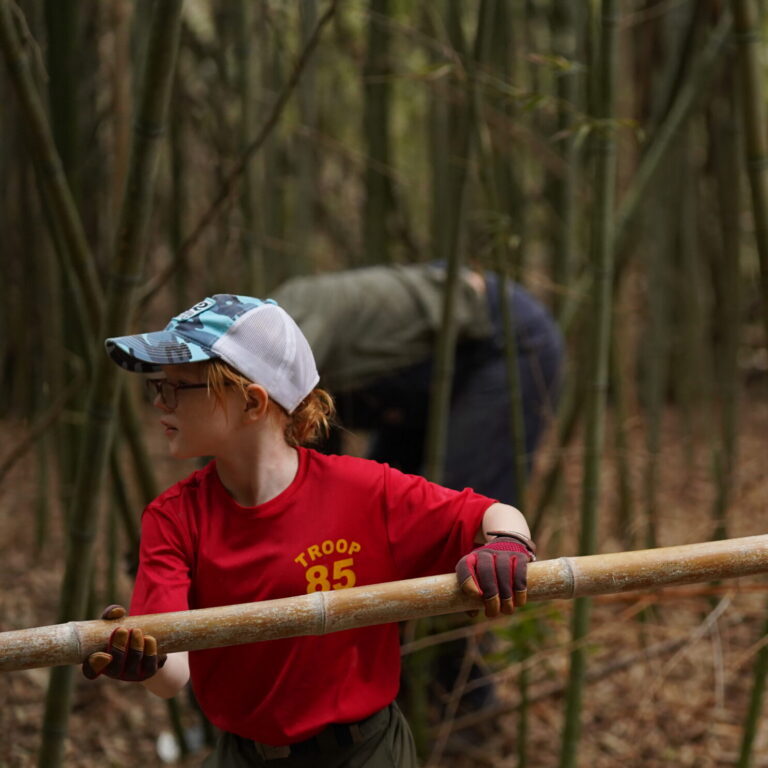
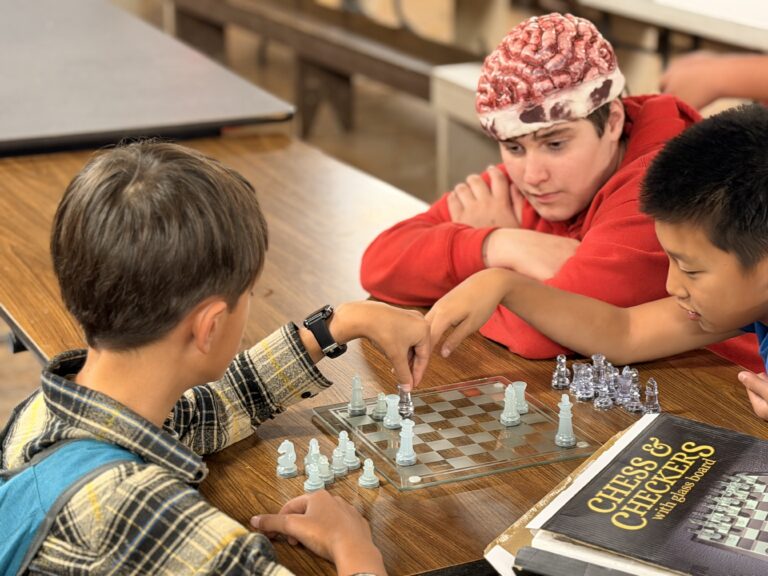
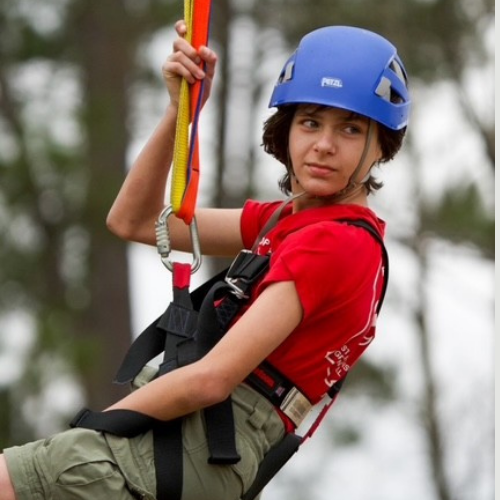
Short-Term Resident Camps
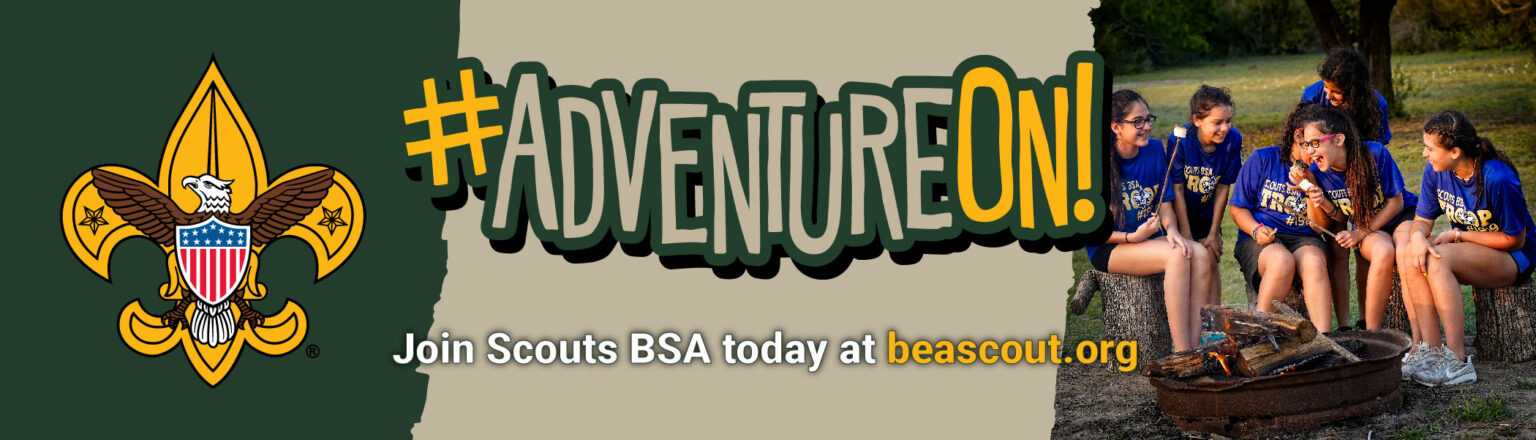
A weekend camping experience with other troops in the Council to participate in outdoor actives and skills such as range and target activities, climbing, canoeing, campfire, and more.
Long-Term Resident Camp
A week-long camping experience where merit badge requirements and skills are learned along with other fellowship opportunities.
Service Projects
Food drives, conservation projects, flag ceremonies, and other community-specific projects.
National & World Jamborees
Scouts come together from all around the country and world for fellowship and to have fun.
Other Troop Outings
Backpacking, canoeing treks, cycling treks, and weekend campouts with your troop. Leadership and outdoor skills are usually taught and practiced during these outings.
What Do Scouts Do?
Be Prepared.
Scouting is all about building confidence self-esteem learning important life skills, leadership development, team building, outdoor adventure education, and fun!
Scouts learn to make good choices, to take responsibility for their actions so they are prepared for life as independent adults.
Troop Meetings & Activities
A Troop typically meets once a week, where the youth come together to plan, learn, lead, and help one another acquire new skills and knowledge through fun, hands-on activities.
Merit badge requirements are taught, learned, and fulfilled at Troop meetings and other fun and exciting advancement opportunities.
How can you help?
The most important help you, as a parent, can give your child is to work with them on their Scouts BSA requirements as they work toward their badge of rank. The Scouts BSA handbook is full of age-appropriate activities; some of them you do together at home. Troop meetings are designed for members to complete the requirements needed to earn their rank badge. When you have completed a requirement at home or with a merit badge counselor, make sure your Troop leader is informed so that they can properly record it and your child can be recognized for their achievements.
Your role as a parent is the secret to a successful Scouts BSA program!
The patrol and Troop rely on parent participation to run a successful program. Scouts BSA operates through volunteer leadership. Volunteer leaders are an example of Scouting’s principle of service to others. By volunteering in Scouting, you are also giving your child and family the gift of your time. What could be more valuable? You will have an opportunity to be a positive influence in their life and in the lives of their friends.
Some Ways you Can Volunteer:
Scoutmaster
Helps plan and carry out the Scouts BSA program with the help of the Troop committee. Assists the Senior Patrol Leader (youth leader) run Troop meetings and attends the Troop committee meeting.
Committee Member
Every parent or guardian is invited to become a member of the committee. Troop committee members perform administrative functions of the Troop.
© 2026 Scouting America – All Rights Reserved.